


What is an EPC?
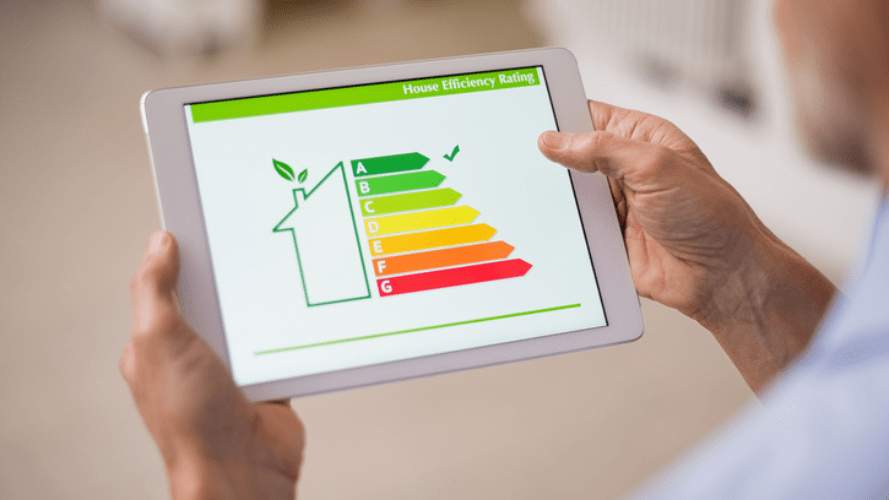
An EPC, or Energy Performance Certificate, measures how energy efficient a property is. It gives homes a rating from A (most efficient) to G (least efficient) and includes recommendations to improve energy performance and reduce energy costs.
EPCs are legally required when most properties are sold or rented in the UK, and they can give a good indication of how expensive energy bills will be, and what improvements are needed on the property.
What does an EPC report show?
In an Energy Performance Certificate report, you'll be provided with:
- Your EPC rating - rated from A to G, along with a numerical score. The report will include the property's current rating, and its potential rating if improvements are made.
- Recommendations - The report will detail what improvements could be made to the property to improve energy efficiency and the EPC rating.
- Breakdown of energy performance - A rating a description of each aspect of the property, including the walls, roofs, windows and heating.
- Environmental impact - Information on the property’s carbon dioxide (CO₂) emissions and how these could be reduced with improvements.
- Recommendations - Suggested upgrades (such as insulation or a more efficient boiler), including the estimated cost, potential savings and the impact on the EPC rating.
Most EPCs include a visual chart, often shown as coloured bars from green (A) through to red (G), so you can quickly see where the property sits compared to an average home.
Is an EPC a legal requirement?
Yes. In most cases, an EPC is a legal requirement for landlords and homeowners in the UK.
Landlords must have a valid EPC for their rental properties before renting them out, it is therefore a basic compliance check that all landlords need to complete.
In Scotland, you must also display the EPC somewhere in the property.
Failing to provide an EPC when required can result in financial penalties and enforcement action from the local authority.
For landlords, an EPC is just one of many legal requirements - see our full checklist here.
Do you need an EPC to sell a house?
As with letting a home, to sell a home you must have a valid EPC.
The EPC must be ordered before the property is put on the market so that it can be included in the advert listing.
How long does an EPC last?
From the issue date, an EPC remains valid for 10 years.
Even if a property is sold or let out multiple times during that period, the EPC will remain valid.
Following major improvements, it's common to get an updated EPC even if you're still within the 10 years to reflect the better rating.
How do you get an EPC?
To get an EPC, you'll need to go through a qualified assessor.
They will visit the property and collect information before producing a report for your property.
For an EPC, the assessor will check:
- The type and thickness of insulation in the walls, roof and floors.
- Windows and doors (for example, whether they are double‑glazed).
- The heating system, including the boiler, radiators and any controls such as thermostats and timers.
- The type of lighting and any low‑energy or LED bulbs.
- Any renewable technologies, such as solar panels or heat pumps.
Once they've produced their report, you'll receive it as a PDF document and be able to see your property's rating.
To find an accredited assessor, use the Government's website.
What is the minimum EPC rating to let a property?
In England and Wales, most rental properties must have a minimum EPC rating of E before they can be legally let. This rule comes from the Minimum Energy Efficiency Standards (MEES) and applies to both new tenancies and renewals.
If a property is rated F or G, landlords usually need to carry out energy‑efficiency improvements to lift the rating to at least E, or register a valid exemption on the government’s PRS Exemptions Register.
In Scotland, there is currently no equivalent minimum EPC rating for most privately rented homes, but standards may change over time, so landlords should keep an eye on the latest guidance.
Regardless of location, aiming for a higher rating (such as C or D) can make the property cheaper to run for tenants and more attractive in the market.
Can you improve a home's EPC rating?
Landlords and homeowners can improve a property’s EPC rating, but it can be costly so is often done in stages over time. Common improvements include:
- Insulation - adding or upgrading loft, cavity wall or solid wall insulation to reduce heat loss.
- Double or triple‑glazed windows - to improve heat retention and reduce draughts.
- Solar panels - generating some of the property’s electricity from renewable sources.
- Boiler and heating upgrades - installing a more efficient boiler, modern radiators and better heating controls.
FAQs
What is a good EPC rating?
A good EPC rating in the UK is usually considered to be C or above.
Most UK homes currently sit around D-E, so a C‑rated property is more energy efficient than average and should be cheaper to heat and power.
For landlords, aiming for C or better can help future‑proof the property if minimum standards tighten over time.
How much does an EPC cost?
The cost of an EPC isn’t fixed by the government. It depends on:
- the size and type of property
- where it is in the country
- the individual assessor’s fees
As a guide, most domestic EPCs cost somewhere between £50 and £120. It’s worth getting a couple of quotes from accredited assessors before you book.
How long does an EPC assessment take?
For a typical house or flat, an EPC assessment usually takes around 30-60 minutes.
Larger or more complex properties can take longer, as the assessor needs to:
- look at insulation, windows and heating
- measure rooms and check the layout
- record details of any renewable technologies
You don’t normally need to prepare anything special, but it helps if the assessor can easily access the loft, boiler, meters and any documentation (for example, insulation guarantees or boiler paperwork)
How do I check my property’s EPC rating?
You can check your property's EPC rating and how long is left on the EPC on the government's website. This allows, landlords, tenants, sellers and buyers check the current rating and see when the certificate expires.
Enjoying our content?
Get the latest letting news, views and tips from HomeLet straight to your inbox.