


The UK Government is encouraging households to prepare for up to 72 hours of disruption to essential services. But what does this mean for landlords, letting agents and tenants?
On 22 October 2026, the Cabinet Office announced its Be Ready campaign, a three-year initiative encouraging households to take simple, practical steps to prepare for events such as severe weather, flooding and temporary power or water outages.
The Government has published household preparedness advice since 2024, and the latest campaign builds on that existing guidance.
According to research referenced in a Government statement to Parliament, only 13% of people in the UK feel prepared for an emergency that could interrupt essential services, while 84% want more information about preparing.
For the private rented sector, there are some worthwhile considerations.
What are landlords’ legal responsibilities?
Under Section 11 of the Landlord and Tenant Act 1985, landlords have repairing obligations covering installations for heating, hot water, electricity and sanitation.
The Homes (Fitness for Human Habitation) Act 2018 also strengthened requirements concerning property conditions in England.
A widespread utility outage does not automatically make a landlord responsible for restoring the supply. However, existing repair and safety obligations remain relevant, particularly where a property develops faults or becomes unsafe.
Five sensible preparation steps for landlords
1. Review insurance arrangements: Check relevant policy terms, exclusions, claims procedures and potential gaps in protection.
2. Assess property vulnerabilities: Identify flood risks, heating dependencies, electrically operated communal access systems and other services that could be affected by prolonged outages.
3. Provide practical property information: Ensure tenants know where water stopcocks, consumer units and emergency exits are located, alongside relevant emergency contact details.
4. Strengthen contingency plans: Letting agents should maintain emergency contractor arrangements, up-to-date contact information and backup access to essential property records if normal systems become unavailable.
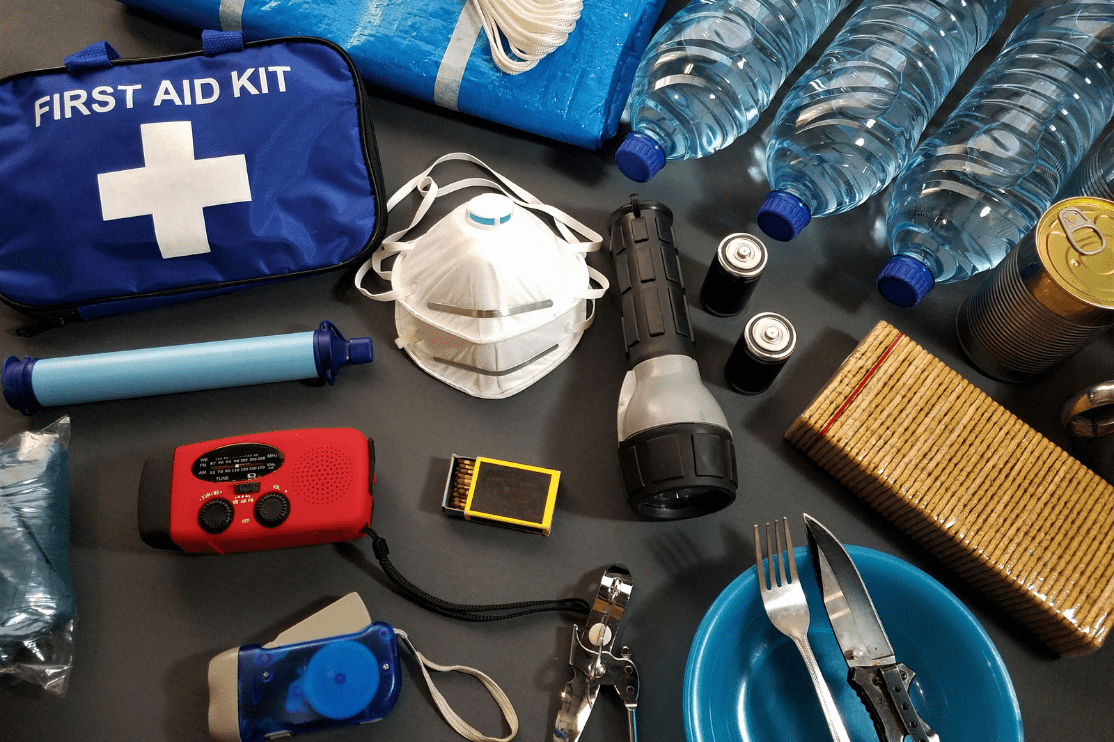
5. Share official Government advice: Encourage tenants to follow the Government’s 72-hour emergency preparedness guidance, including drinking water, non-perishable food, torches, medication and alternative communications.
Preparation, not panic
The Government is not asking households to stockpile supplies or make expensive changes. Its message is about taking manageable steps, many of which cost nothing.
There is no blanket new requirement for landlords to provide emergency kits or backup electricity.
However, for letting agents and landlords, reviewing property resilience, insurance arrangements and emergency communications is simply good property management.
Being prepared isn’t about expecting the worst. It’s about making sure landlords, tenants and agents know what to do when everyday services are disrupted.
Tenants who may require additional assistance should also be encouraged to explore the Priority Services Register.